

Smart Energy for Flats: How Home Systems Manage Electricity Use Automatically
Electricity consumption in modern flats is becoming increasingly complex. Heating systems, electric vehicles, kitchen appliances, computers, and entertainment devices all compete for power throughout the day. In response, a new generation of smart energy technologies has emerged. These systems combine sensors, connected meters, automation software and artificial intelligence to monitor electricity demand and adjust it automatically. By 2026, smart home energy management is no longer limited to experimental projects. It is already used in thousands of residential buildings across Europe, helping households reduce costs, stabilise power usage and integrate renewable energy sources more effectively.
How smart home energy management systems actually work
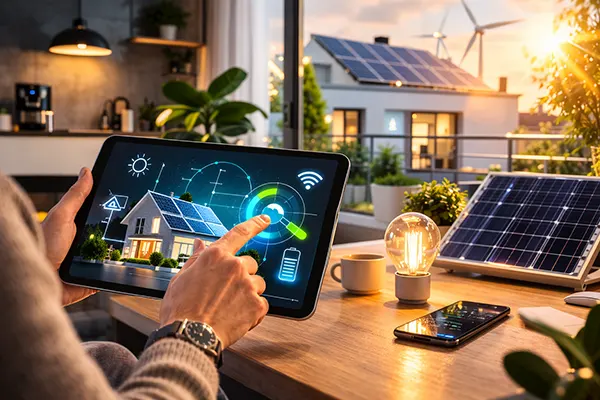
At the centre of most residential smart energy solutions is a Home Energy Management System (HEMS). This is a controller that connects appliances, smart meters, batteries, solar panels and heating systems into a single digital environment. The controller collects real-time data about electricity consumption and compares it with electricity prices, weather forecasts and user preferences. Based on these factors, it automatically decides when devices should operate.
Smart meters play a key role in this process. They measure energy usage in intervals as short as every few seconds and send this data to the management system. In countries such as the United Kingdom, Germany and the Netherlands, large-scale smart meter rollouts have allowed energy suppliers to offer dynamic tariffs. This means electricity prices change during the day depending on demand in the national grid.
The management software analyses these price fluctuations and adjusts household consumption. For example, it may delay running a dishwasher until night-time when electricity is cheaper, or temporarily reduce heating output during peak demand hours. The result is lower electricity bills and reduced strain on the wider power network.
Artificial intelligence and predictive energy control
Modern smart energy systems increasingly rely on machine learning algorithms. Instead of reacting only to current consumption, these algorithms analyse patterns of behaviour in the household. They learn when residents usually cook, charge devices, run washing machines or turn on heating systems.
Using this information, the system builds a predictive model of energy demand inside the flat. It can then prepare for upcoming consumption by adjusting battery storage levels, pre-heating rooms during cheaper electricity periods or shifting energy-intensive tasks to more efficient times.
By 2026, some advanced systems integrate weather forecasting and grid data as well. For example, if strong winds are expected overnight, the system may anticipate lower electricity prices due to high wind power generation and schedule energy-heavy activities accordingly.
The role of batteries, solar panels and flexible appliances
Another key component of smart residential energy management is local energy storage. Lithium-ion home batteries allow flats and houses to store electricity when it is cheap or when solar panels produce excess energy. That stored power can later be used during expensive peak hours.
Battery integration is becoming increasingly common in apartment buildings equipped with shared rooftop solar installations. In such buildings, electricity produced during the day can be stored and redistributed to residents in the evening. This reduces reliance on the external grid and improves the economic value of solar generation.
Flexible appliances are also an important part of the ecosystem. Many modern washing machines, heat pumps and electric vehicle chargers support communication protocols such as Matter, Zigbee or Wi-Fi energy management standards. This allows them to receive instructions from the home energy controller and adjust their operating schedule automatically.
Dynamic electricity pricing and demand response
Smart energy systems become particularly powerful when combined with dynamic electricity pricing. In this model, electricity prices change hourly based on supply and demand conditions in the power grid. When demand rises sharply, prices increase. When renewable generation is abundant, prices fall.
Home energy management systems respond to these signals automatically. If prices rise suddenly during the evening peak, the system may pause charging an electric vehicle or temporarily reduce heating output. When prices drop later at night, postponed tasks resume.
This approach is part of a wider concept called demand response. Instead of power stations constantly adjusting production to match demand, households become active participants in balancing the grid. Millions of small automated adjustments across homes can significantly stabilise electricity networks.
Benefits and practical impact for apartment residents
For residents of modern flats, smart energy systems bring several tangible benefits. The most obvious is lower electricity costs. By shifting consumption to cheaper periods and reducing waste, many households see savings between 10 and 30 percent depending on local tariff structures.
Comfort is another advantage. Instead of manually controlling appliances, residents simply define preferences in a mobile application. For example, they can specify preferred indoor temperatures, charging times for devices or limits for electricity spending. The system then handles day-to-day optimisation automatically.
Energy transparency also improves significantly. Detailed dashboards show which devices consume the most electricity, how solar panels contribute to the home and when energy prices are highest. This information helps residents make better decisions about their energy usage.
Future development of residential smart energy
The next stage of development focuses on deeper integration between homes, buildings and national electricity systems. Pilot projects in Europe are already testing neighbourhood-level energy coordination, where multiple buildings share data and collectively optimise electricity usage.
Vehicle-to-grid technology is another emerging trend. Electric cars parked in residential garages can act as temporary energy storage units. During periods of high demand, a small portion of stored energy may be returned to the grid, while the car is recharged later when electricity becomes cheaper.
By the end of this decade, analysts expect smart energy management to become a standard feature of new residential developments. As renewable energy expands and electricity demand grows, automated consumption control inside homes will play an essential role in maintaining stable and efficient energy systems.