
Lamine Yamal and the New Generation: How Youth Players Are Reshaping Elite Football
In recent seasons, European football has seen a noticeable shift in how top clubs approach young talent. Lamine Yamal, who broke into Barcelona’s first team at an exceptionally young age, has become one of the clearest examples of this transformation. His rapid rise is not an isolated case, but part of a broader trend where clubs are trusting younger players with meaningful roles much earlier than before. This change is driven by a mix of sporting, financial, and cultural factors that are redefining what it means to build a competitive squad in modern football.
The Rise of Early Integration in Top Clubs
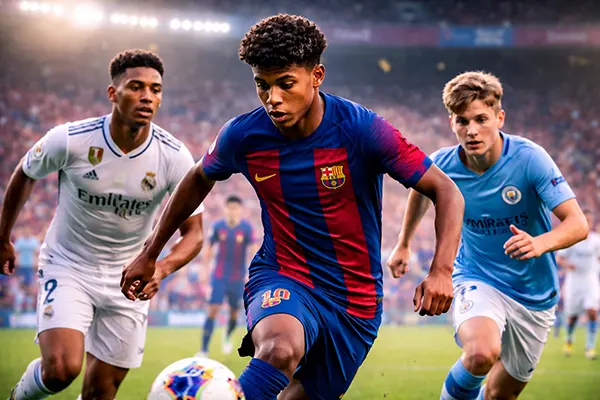
Not long ago, it was common for promising academy players to spend several seasons developing in reserve teams or going out on loan before receiving a real chance at the highest level. Today, that pathway has been significantly shortened. Clubs like Barcelona, Real Madrid, and Manchester City are increasingly integrating teenagers directly into their senior squads, especially if they demonstrate tactical maturity and technical confidence.
Lamine Yamal’s debut at just 15 years old illustrates this shift clearly. Barcelona, facing both financial constraints and a renewed focus on La Masia, has prioritised internal development. Instead of investing heavily in transfers, the club has placed trust in academy graduates, allowing them to gain experience in competitive matches rather than limiting them to youth competitions.
This approach is not purely philosophical. It also reflects the growing demand for players who can adapt quickly to high-intensity systems. Modern football requires intelligence, pressing awareness, and positional discipline—qualities that top academies now emphasise from an early age. As a result, young players are often better prepared for first-team football than their predecessors were a decade ago.
Changing Expectations Around Age and Readiness
The idea that players need to be in their early twenties to compete at the highest level is gradually disappearing. Coaches and analysts now evaluate readiness based on decision-making, spatial awareness, and consistency rather than age alone. This is why players like Yamal, Jude Bellingham, and Pedri have been able to establish themselves so quickly.
Advancements in sports science and data analysis have also contributed to this evolution. Clubs monitor physical development, recovery rates, and cognitive performance in great detail, allowing them to make informed decisions about when a player is ready for senior football. This reduces the risk traditionally associated with promoting young talent too early.
At the same time, the pressure on these players has increased. Media attention, fan expectations, and constant comparison to established stars can create a challenging environment. Managing this pressure has become an essential part of a young player’s development, requiring strong support systems both inside and outside the club.
Financial Strategy and the Value of Youth Development
The financial landscape of football has played a major role in accelerating the reliance on young players. Transfer fees and wages have reached levels that make long-term sustainability a concern for many clubs. Investing in academy development offers a more controlled and cost-effective alternative.
For clubs facing financial limitations, promoting youth players is not just a necessity but a strategic advantage. Players developed internally often have a stronger connection to the club’s identity and are more adaptable to its playing style. In addition, their market value can increase rapidly, providing potential financial returns if they are later sold.
Lamine Yamal represents this dual value perfectly. He contributes on the pitch while also symbolising Barcelona’s commitment to rebuilding through youth. His presence reduces the need for expensive signings in his position, while also strengthening the club’s long-term sporting project.
Balancing Development and Competitive Pressure
Despite the benefits, relying on young players comes with risks. Elite competitions such as the Premier League, La Liga, and the Champions League demand consistency at a very high level. Young players can be unpredictable, and their performance levels may fluctuate as they gain experience.
To address this, clubs are increasingly adopting hybrid strategies. They combine experienced leaders with emerging talents, ensuring that younger players are not carrying the full burden of responsibility. This balance allows them to develop in a competitive environment without being overwhelmed.
Coaches also play a crucial role in managing minutes and expectations. Rotating young players, protecting them from burnout, and providing clear tactical roles are essential steps in maintaining both performance and long-term growth. The goal is not just to introduce talent early, but to sustain it over time.
Tactical Evolution and the Role of Young Players
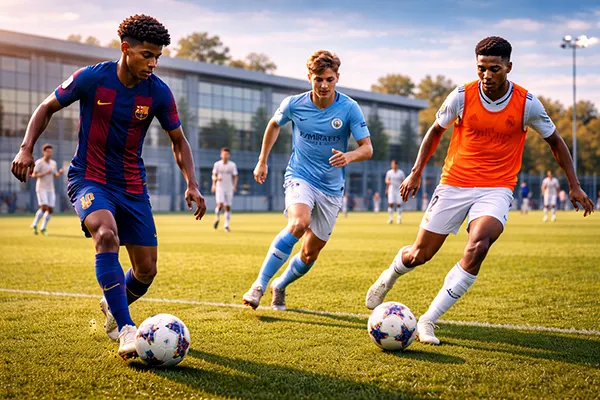
The tactical demands of modern football have created an environment where young players can thrive. High pressing systems, positional play, and quick transitions favour players who are adaptable, energetic, and comfortable with the ball under pressure. These qualities are often developed more naturally in younger generations.
Lamine Yamal’s playing style reflects these trends. His ability to operate in tight spaces, make quick decisions, and contribute both offensively and defensively aligns with the requirements of contemporary football. Coaches value this versatility, as it allows them to implement complex tactical systems more effectively.
Another important factor is the influence of global football culture. Young players today grow up watching and analysing elite matches from around the world. This exposure accelerates their understanding of the game, making it easier for them to adapt to different tactical approaches at a young age.
The Future of Youth in Elite Football
Looking ahead, the role of young players is likely to become even more significant. Clubs will continue to invest in scouting and academy infrastructure, aiming to identify talent earlier and develop it more efficiently. The success of players like Yamal reinforces the idea that youth development is not just a long-term project, but a key part of immediate success.
At the same time, governing bodies and leagues may need to consider regulations that protect young athletes. The increasing intensity of professional football, combined with early exposure to high-level competition, raises questions about workload and long-term health. Ensuring that development remains sustainable will be essential.
Ultimately, the emergence of players like Lamine Yamal signals a broader transformation in football. Age is no longer a barrier in the way it once was. Instead, the focus has shifted towards readiness, adaptability, and intelligence on the pitch. For top clubs, embracing this change is no longer optional—it is a fundamental part of staying competitive in the modern game.